
Concrete or Pavers? Driveways & Patios for Florida Yards

Deciding on the right surface for your driveway or patio can transform your outdoor space into a stylish and functional area. In Florida, where the weather can be hot and humid, homeowners must weigh their options carefully. Concrete and pavers each bring their unique benefits and drawbacks. In this post, we will break down the pros and cons of both materials, focusing on durability, drainage, maintenance, repairability, installation time, sealing, and curb appeal.
Durability
Concrete
Poured concrete is celebrated for its strength and longevity. It can easily handle heavy vehicles, making it an ideal choice for busy driveways. For example, a well-installed concrete driveway can last up to 30 years with proper upkeep. Concrete is also resistant to many environmental factors like UV rays and moisture, crucial for Florida's climate.
However, concrete is not immune to cracking. If temperatures drop drastically or soil settles beneath it, cracks can form. Studies show that about 10-15% of concrete surfaces may experience significant cracking within their first five years if not properly installed.
Pavers
Pavers consist of interlocking stones, adding flexibility to the installation. If a single paver is damaged, it can be replaced without disrupting the surrounding stones. Compared to concrete, pavers tend to withstand pressure better, making them an exceptionally durable choice for driveways and patios. High-quality pavers can last 20-30 years, similar to concrete, provided they are maintained well.
Choosing top-notch pavers is key. For instance, concrete pavers made from high-density concrete are less likely to wear down over time compared to cheaper alternatives.

Drainage
Concrete
A major drawback of concrete is its tendency to trap water. If proper drainage solutions are not installed, you might find water pooling, which can lead to cracks and erosion. Florida's tropical downpours can result in significant water accumulation, making this a critical issue for homeowners.
Pavers
In contrast, pavers excel at drainage. The spaces between each stone allow water to seep through, significantly reducing the risk of pooling and erosion. This feature helps maintain the integrity of your driveway or patio, making pavers a practical choice for Florida’s rainy weather. In fact, an effective paver system can reduce surface water runoff by up to 50%.
Maintenance
Concrete
Maintaining a concrete driveway or patio is relatively easy. Regular cleaning and sealing can keep it looking fresh and extend its lifespan. For example, sealing your driveway every 3-5 years can significantly protect it from stains and moisture. However, if cracks form, they might require professional repair, which can cost anywhere from $300 to $800 depending on the extent of the damage.
Pavers
Pavers require a bit more diligence. Weeds often sprout in the joints, necessitating regular weeding or the installation of a weed barrier. Additionally, you will need to re-sand the gaps every few years to maintain stability. However, being able to replace individual pavers can make upkeep more manageable, saving you hassle and potentially costly repairs.

Repairability
Concrete
Repairing concrete requires a more complex approach, often needing professional help. Cracks that develop need proper sealing methods, and this process can take several days, potentially disrupting your daily life.
Pavers
Pavers are a star when it comes to repairability. A damaged paver can be lifted out and replaced without disturbing the surrounding stones. This ease of repair can save time and money, as you won’t have to commit to large-scale repairs.
Installation Timeline
Concrete
Installing poured concrete is usually faster compared to pavers. A concrete driveway can often be completed in a single day, again depending on size and complexity. However, you will need to wait about 7 days for it to cure before driving on it.
Pavers
On the other hand, installing pavers can take longer due to the meticulous process of fitting each stone together, which can take several days to complete. That said, the visual payoff is often worth the wait, with unique designs and patterns that elevate your home’s curb appeal.
Sealing
Concrete
Sealing your concrete surface is vital for protecting it from stains and moisture. A quality sealant can extend the life of your driveway and should be reapplied every few years for optimal results.
Pavers
Pavers also benefit from sealing, which helps preserve their colors and prevent stains, although sealing is less critical for pavers than for concrete. This difference makes long-term maintenance slightly less demanding.
Curb Appeal
Concrete
Concrete driveways and patios can be customized with various finishes and colors. However, they often lack the visual depth of pavers. While stamped concrete can imitate a paver's look, it still may not capture the same tactile variations.
Pavers
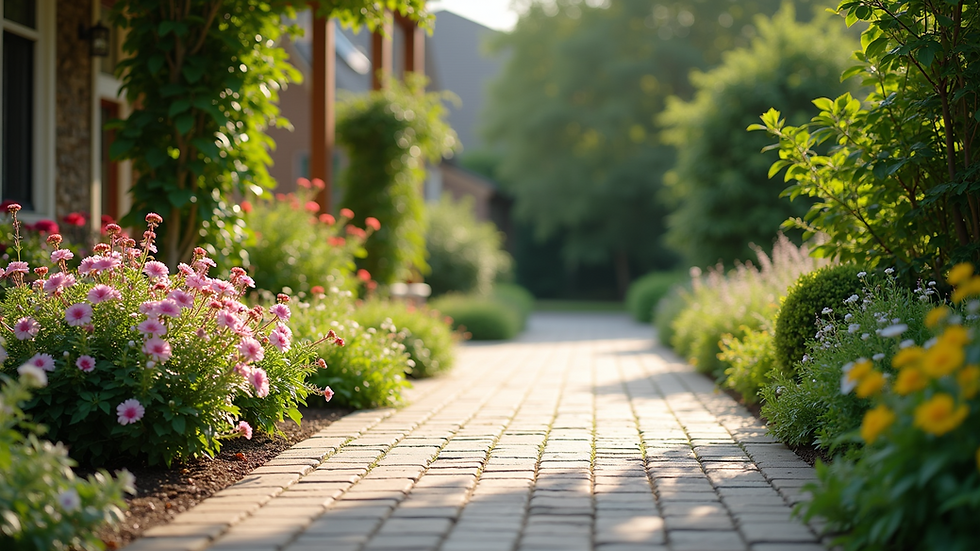
Pavers stand out in the aspect of curb appeal. They come in various colors, shapes, and sizes, allowing for endless design possibilities. Investing in pavers may significantly increase your property's attractiveness, making it more appealing to buyers or investors.
Final Thoughts
Selecting between concrete and pavers for your driveway or patio in Florida ultimately boils down to your specific needs and aesthetic preferences. Concrete offers remarkable durability and is generally quicker to install, while pavers provide superior drainage and stunning designs.
When weighing your options, take into account maintenance, timeline, and curb appeal. By carefully evaluating the strengths and weaknesses of each material, you can choose the surface that best fits your outdoor space and lifestyle. Whether you prefer the resilience of concrete or the beauty of pavers, either option can significantly enhance the functionality and appearance of your Florida yard.
Comments